VARANGER
Esistono luoghi nei quali la natura sembra avere scelto l’abbondanza e altri nei quali pare essersi esercitata nella sottrazione. Il Varanger appartiene ad entrambi.
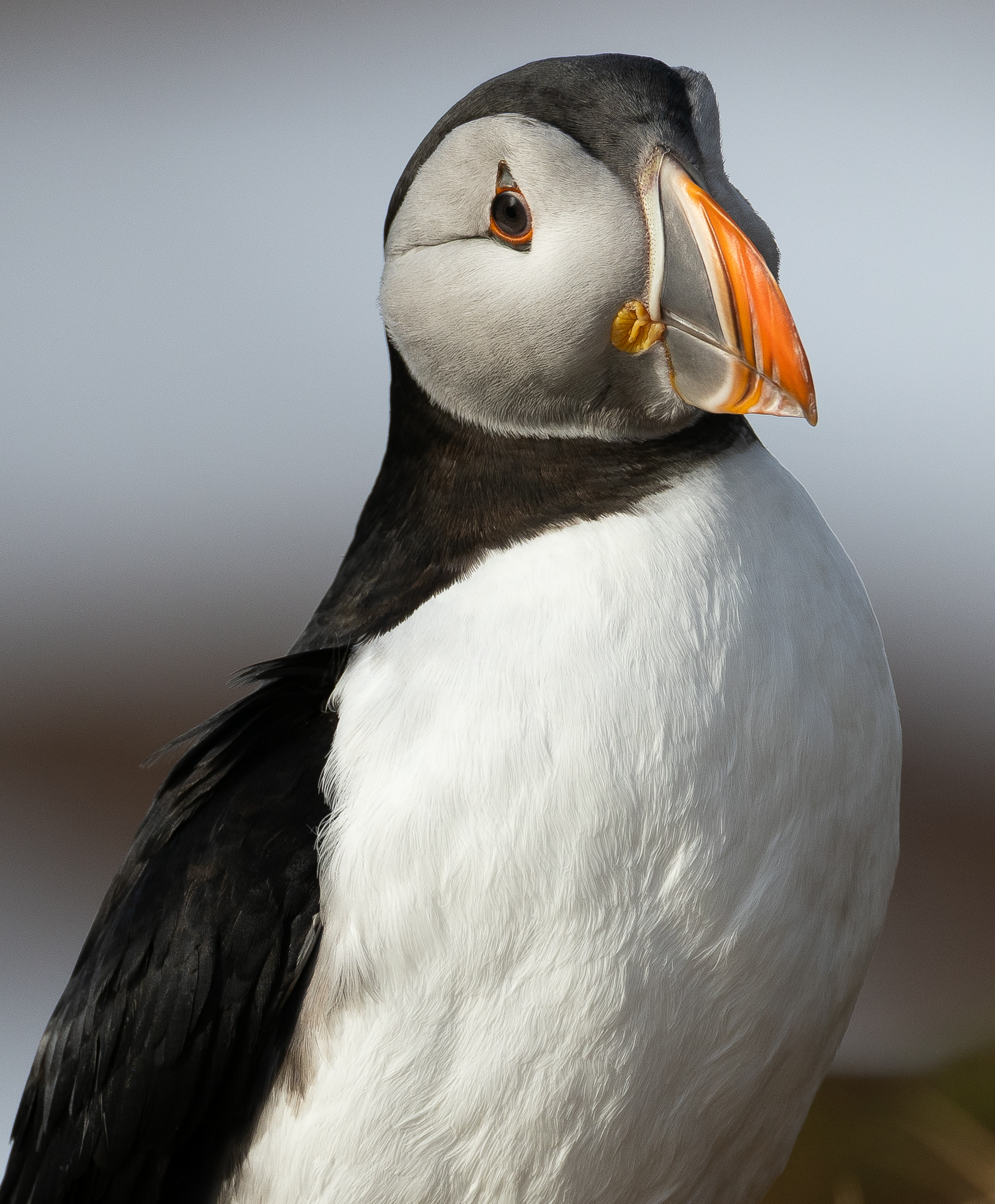
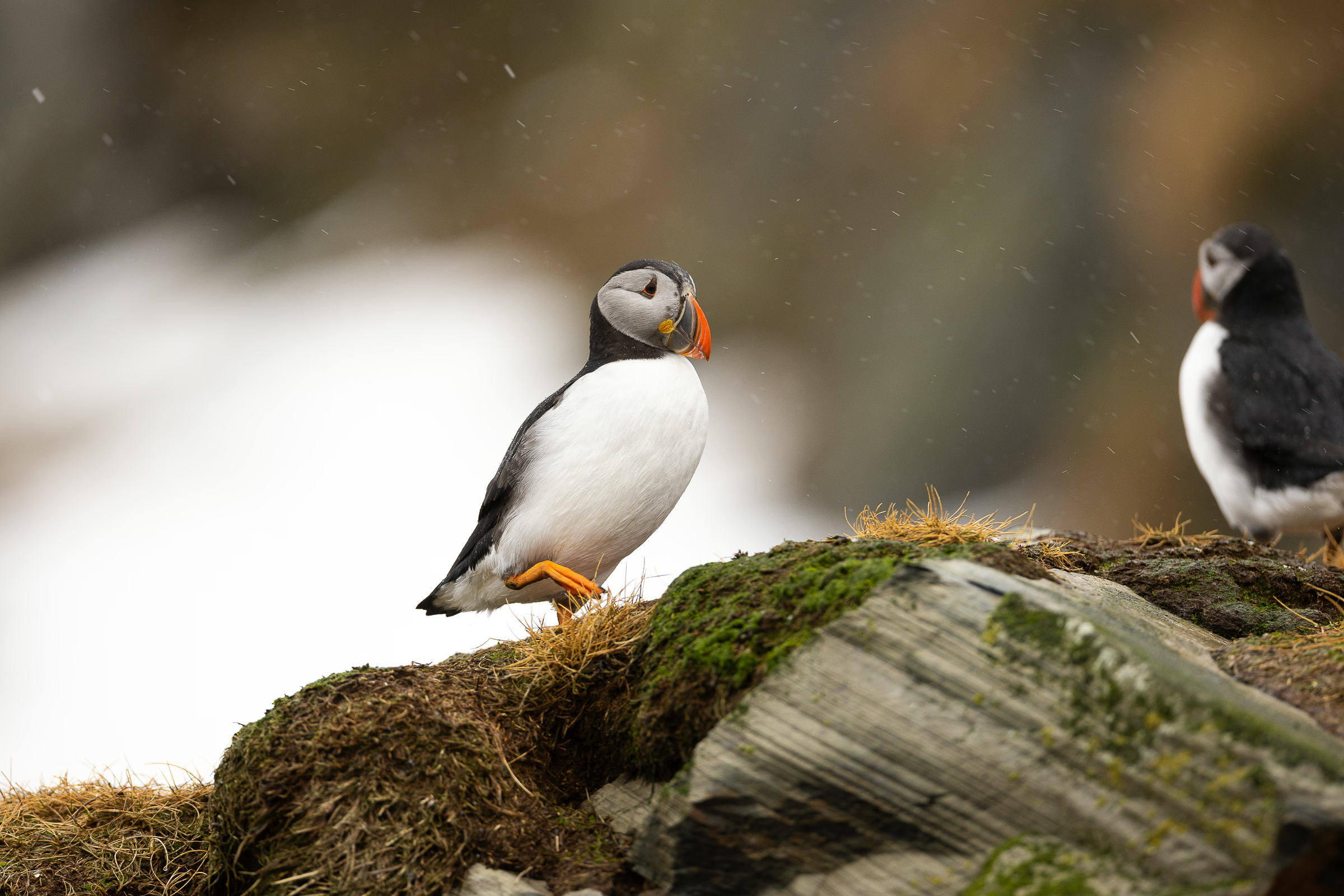
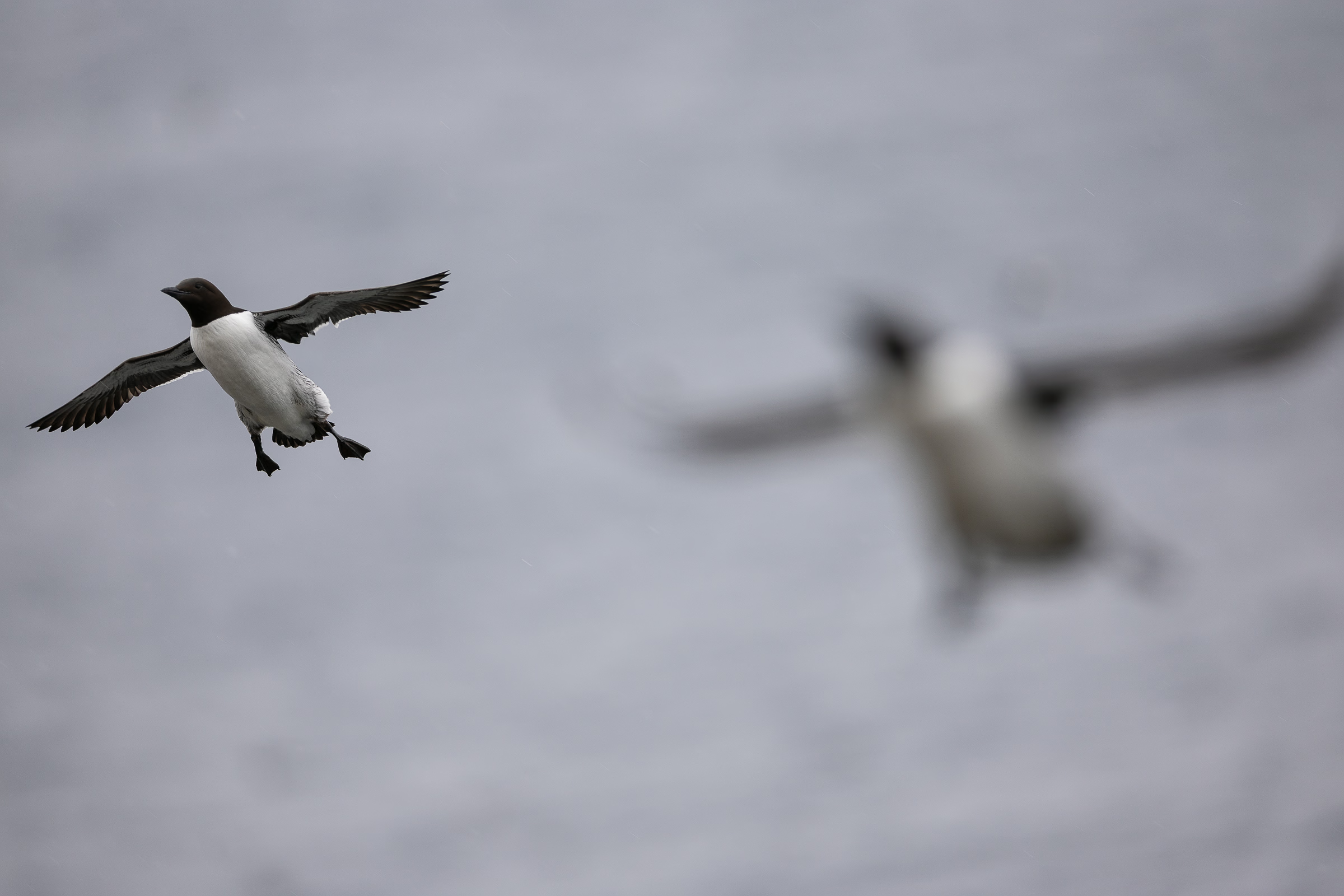
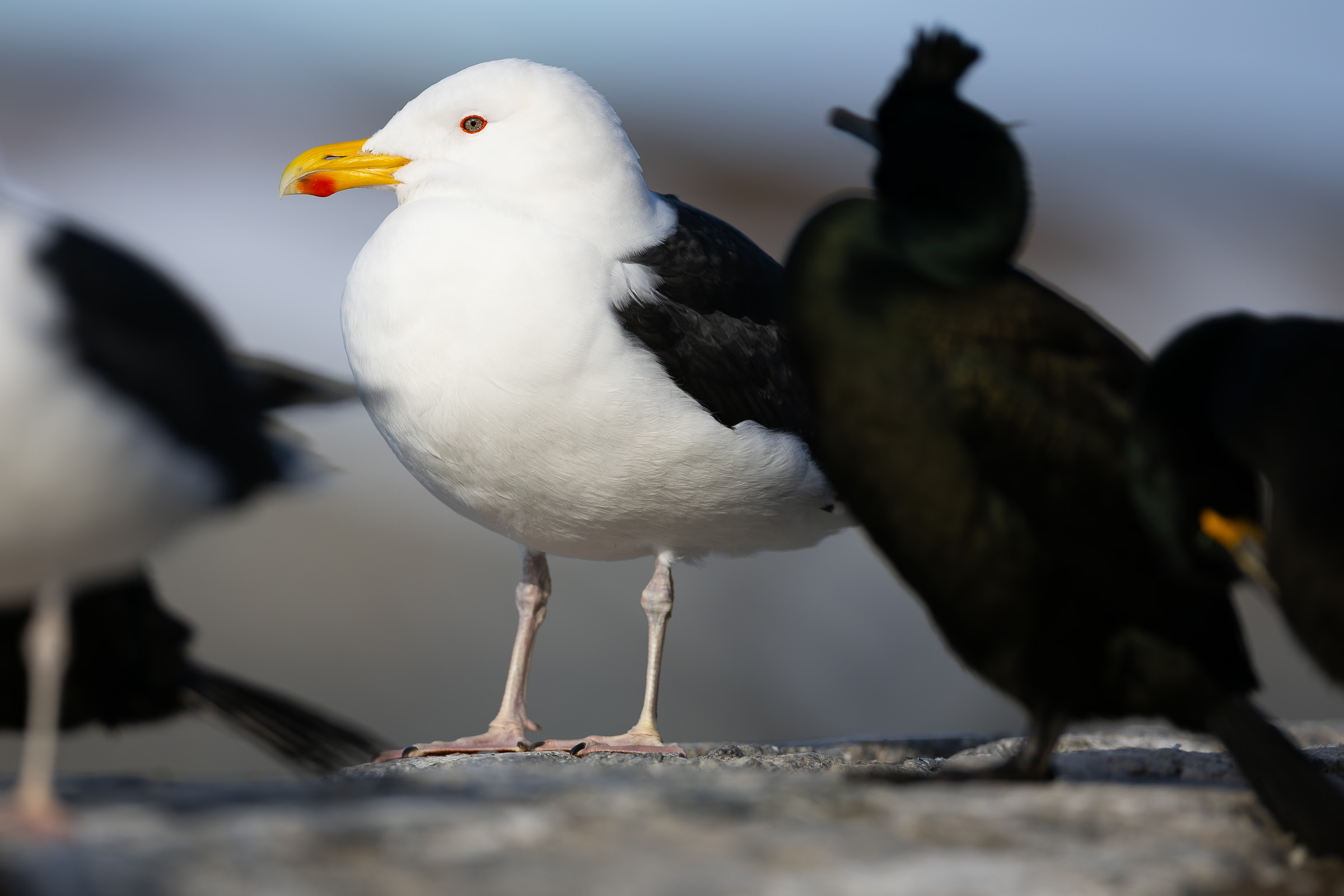
Basta spostarsi di pochi chilometri perché tutto cambi. Lungo la costa, le pareti rocciose sono occupate da migliaia di uccelli. Urie, pulcinella di mare e cormorani riempiono ogni cengia disponibile, mentre gli edredoni si raccolgono sul mare in gruppi così numerosi da coprirne la superficie. Il silenzio dell’Artico, qui, semplicemente non esiste.
Poi si lascia il mare alle spalle e si sale verso l’interno.
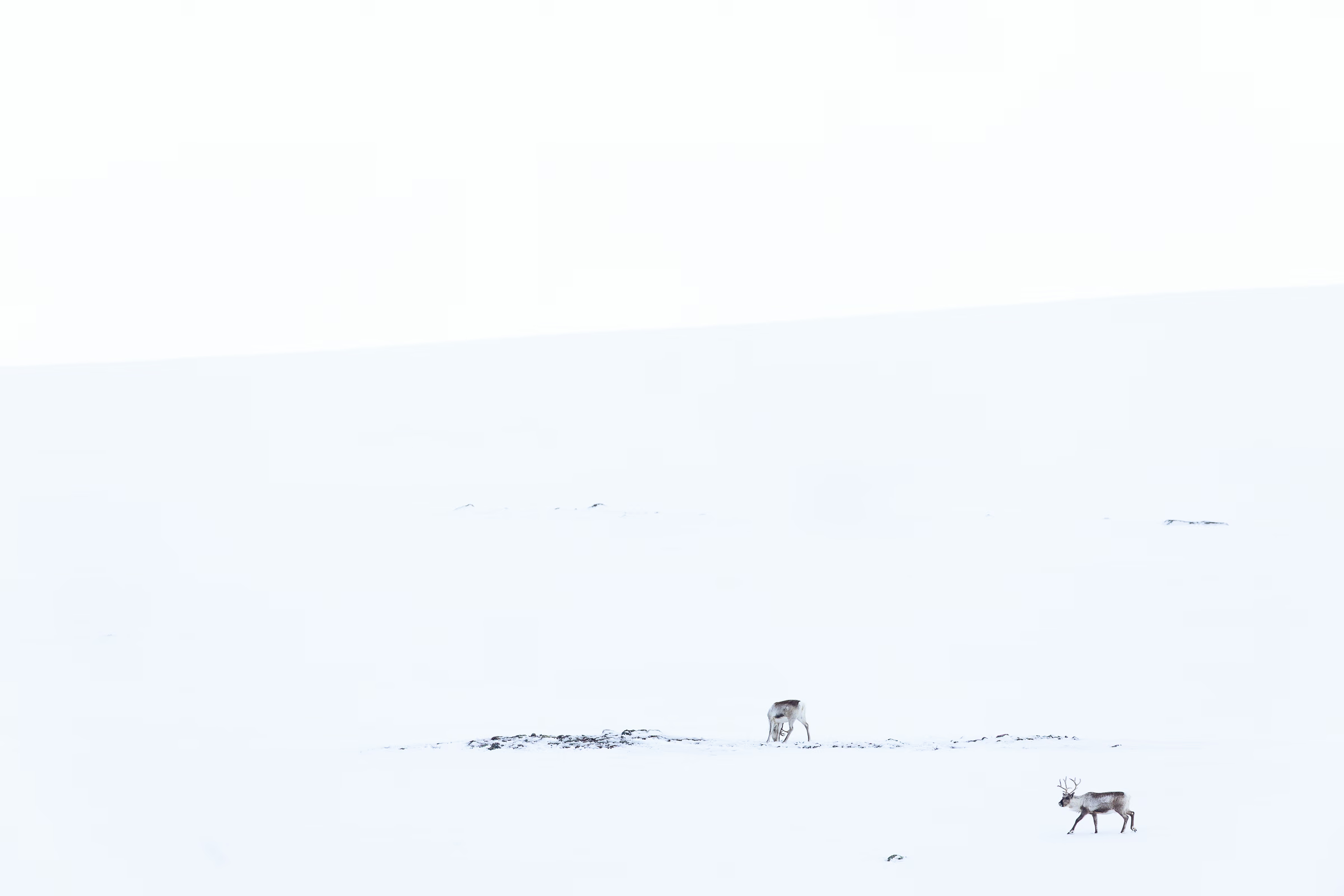
E improvvisamente non rimane quasi nulla. Ti devono bastare una manciata di chilometri per accettare di passare dal tutto al nulla.
There are places where nature seems to have chosen abundance, and others where it appears to have perfected the art of subtraction. Varanger belongs to both.
Travel just a few kilometres, and everything changes. Along the coast, the rocky cliffs are crowded with thousands of birds. Guillemots, puffins and cormorants occupy every available ledge, while eiders gather offshore in flocks so numerous that they seem to cover the surface of the sea. Here, the silence of the Arctic simply does not exist.
Then you leave the sea behind and climb towards the interior.
And suddenly, almost nothing remains. Just a handful of kilometres is enough to take you from everything to nothing, and you have no choice but to accept it.
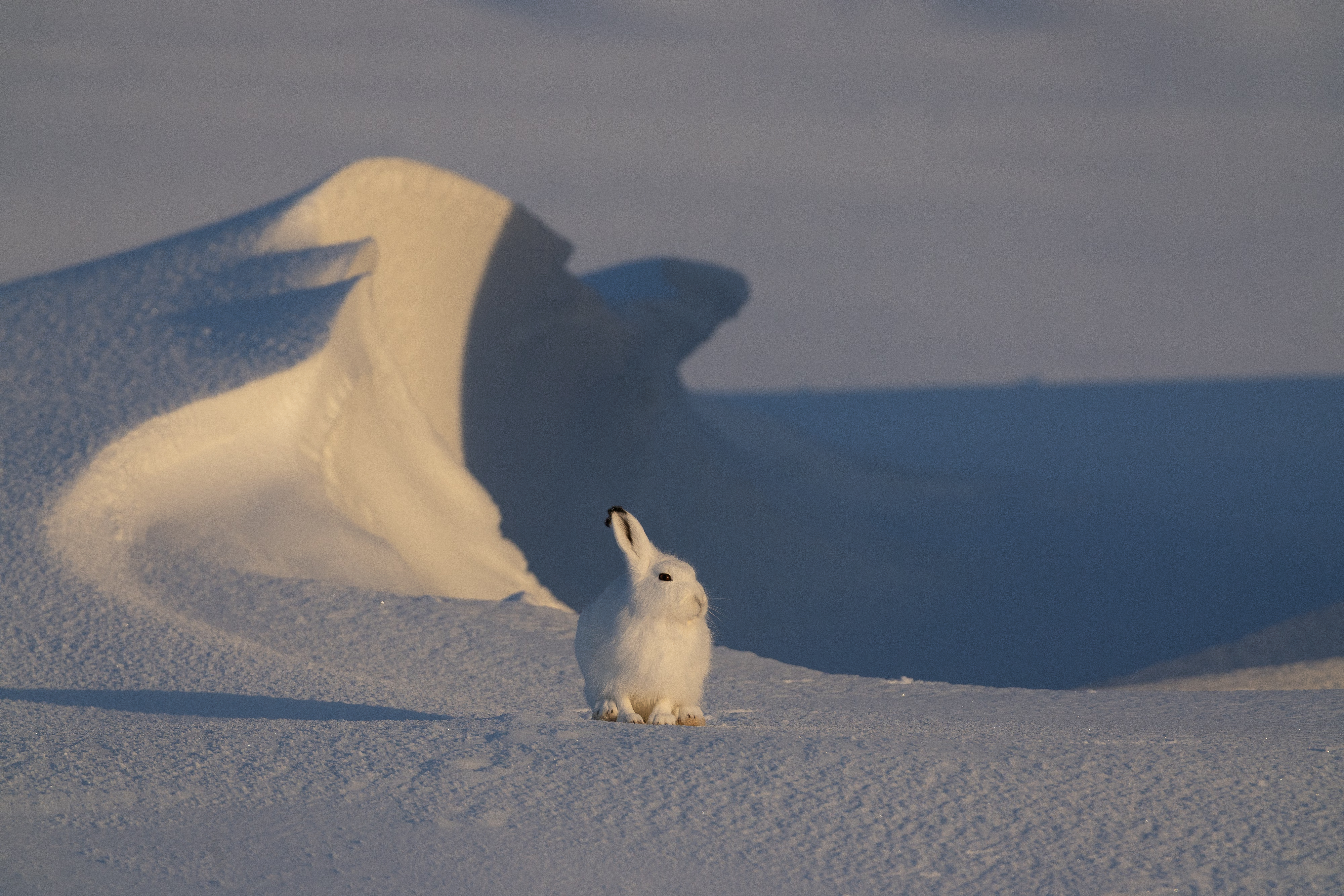
Il mare lo vedi sempre in fondo sull’orizzonte con quelle enormi macchie nere che le nuvole disegnano sulla sua superficie; la vegetazione si abbassa fino quasi a dissolversi e davanti agli occhi rimangono soltanto neve, roccia e cielo.
Sono stato anche alle Svalbard, molto più a nord, ma nessun luogo mi ha fatto comprendere l’Artico quanto il Varanger.
The sea is always visible in the distance, along the horizon, its surface marked by enormous dark patches cast by the clouds above. The vegetation grows lower until it almost disappears, and all that remains before your eyes is snow, rock and sky.
I have also been to Svalbard, much farther north, but nowhere has given me a deeper understanding of the Arctic than Varanger.
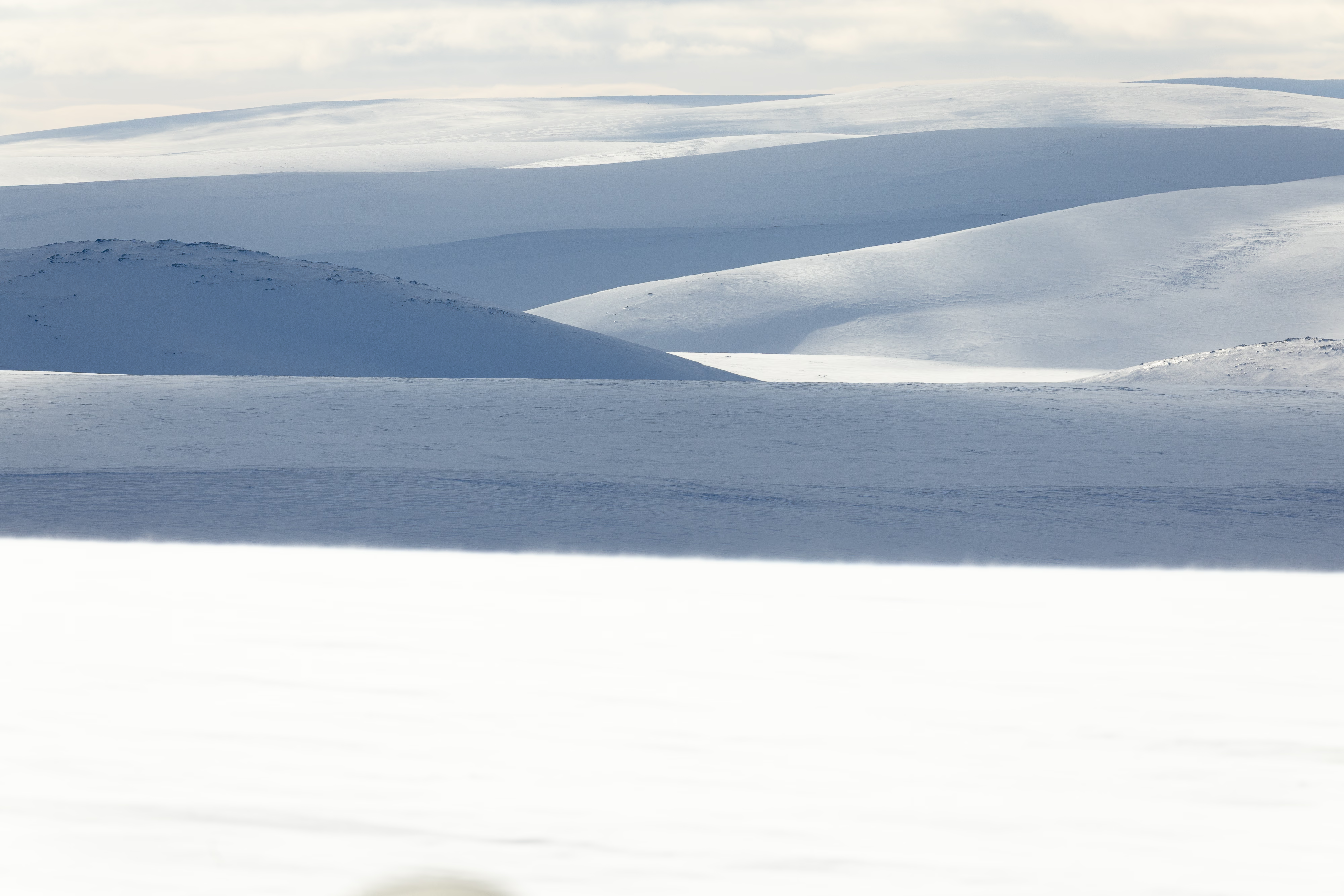
Qui l’Artico non è soltanto una latitudine. È qualcosa che si manifesta improvvisamente e che si avverte sulla pelle.
In pochi minuti il sole può scomparire e lasciare il posto a una tempesta di neve. Il vento diventa così forte che solo stare in piedi richiede forza e applicazione; minuscoli cristalli di ghiaccio vengono scagliati contro il viso e tenere gli occhi aperti diventa una sfida.
Here, the Arctic is not merely a latitude. It is something that reveals itself without warning, something you can feel against your skin.
Within minutes, the sun can vanish, giving way to a snowstorm. The wind becomes so powerful that simply remaining on your feet demands strength and determination. Tiny crystals of ice are hurled against your face, and keeping your eyes open becomes a challenge. Then, as suddenly as it began, it is all over.
Poi, con la stessa rapidità con cui tutto è cominciato, tutto finisce.
Qua non siamo noi a stabilire le regole.
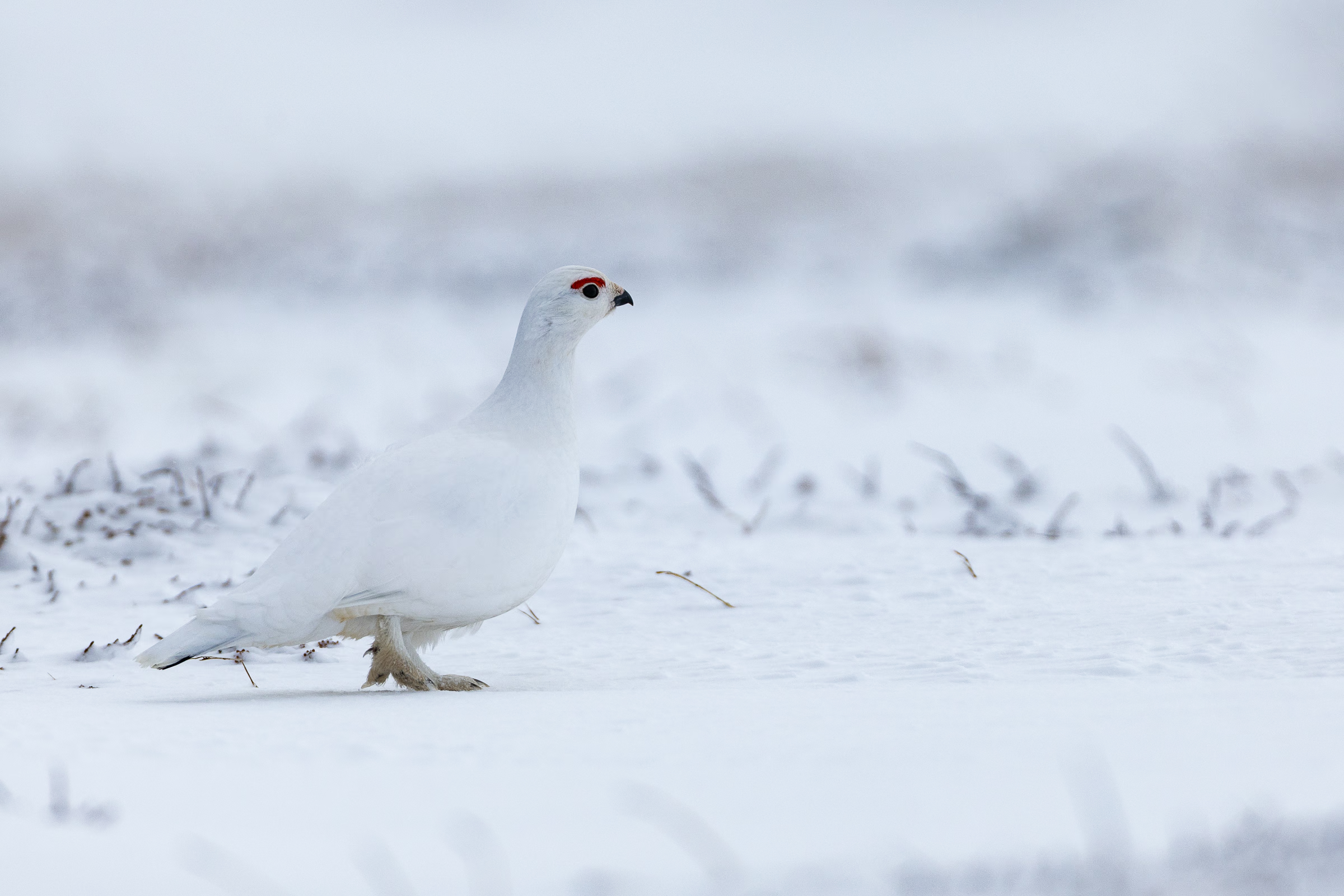
È in questa apparente assenza di vita che comincia la ricerca della pernice bianca.
All’inizio l’occhio continua a cercare un animale. È un errore. Bisogna imparare a cercare una piccola irregolarità nel paesaggio: due punti neri, una curva appena diversa da quella della neve, un movimento che forse c’è stato e forse no.
Poi, improvvisamente, la si vede.
Ed è sorprendente accorgersi che era sempre stata lì.
Osservarla suscita ammirazione: per noi quelle condizioni rappresentano qualcosa da sopportare per qualche ora. Per lei costituiscono semplicemente il luogo in cui vivere. Un luogo in cui la pernice ha imparato a scomparirvi dentro.
Here, we are not the ones who make the rules.
It is in this apparent absence of life that the search for the rock ptarmigan begins.
At first, your eyes keep searching for a bird. That is a mistake. You have to learn to look for the slightest irregularity in the landscape: two black dots, a curve subtly different from the contours of the snow, a movement that may or may not have happened.
Then, suddenly, you see it.
And it is astonishing to realise that it had been there all along.
Watching it inspires admiration. For us, these conditions are something to endure for a few hours. For the ptarmigan, they are simply the environment in which it lives.
**A world into which it has learned to disappear.**