THE WILDLIFE OF GRAN PARADISO
Da quando, più di vent’anni fa, ho cominciato a percorrere i sentieri del Parco Nazionale del Gran Paradiso, ogni volta che mi accingo a entrare fra queste montagne le sensazioni sono sempre le stesse. E identica è la speranza che accompagna i primi passi: che la natura abbia deciso di riservarmi, proprio quel giorno, qualcosa di inatteso.
La mattina, quando appena un filo di luce comincia a definire i contorni del fondovalle, è il momento migliore per mettere lo zaino in spalla e iniziare a salire.
L’aria è fresca e il semplice respirare, un gesto che compiamo migliaia di volte senza accorgercene, qui assurge a un livello superiore acquisendo la dignità che gli spetta. Ogni respiro. Io e quasi pensato, come se si volesse trattenere qualcosa di quell’aria per sé.
Intorno, il profumo dell’erba bagnata dalla rugiada e il rumore dei torrenti che d’estate scendono impetuosi dalle montagne, alimentati da ghiacciai ormai in declino.
Attraversati i prati del fondovalle, si entra nel bosco e comincia la salita verso i pascoli d’alta quota.
Gran Paradiso: The Privilege of Being There
Ever since I first began walking the trails of Gran Paradiso National Park more than twenty years ago, I have experienced the same feelings each time I prepare to enter these mountains. And the hope that accompanies my first steps has never changed: that, on that particular day, nature might have decided to offer me something unexpected.
Early morning, when the faintest glimmer of light begins to reveal the contours of the valley floor, is the best time to shoulder my backpack and start climbing.
The air is cool, and the simple act of breathing, something we do thousands of times without even noticing, takes on an entirely different significance here, acquiring the dignity it deserves. Every breath becomes almost deliberate, as though I were trying to hold on to something of that mountain air.
All around me are the scent of dew-soaked grass and the sound of streams rushing down from the mountains in summer, fed by glaciers that are now steadily retreating.
Beyond the meadows of the valley floor, the trail enters the forest and begins its ascent towards the high-altitude pastures.
Alle prime luci dell’alba tutto è straordinariamente ovattato: persino gli uccelli sembrano rispettare la consegna del silenzio.
Si abbandona subito l’idea di raggiungere una meta a tutti i costi. Il passo rallenta e lo sguardo comincia a cercare. È un modo diverso di camminare, forse l’unico che permetta di cogliere quelle piccole cose che costituiscono l’essenza di queste montagne.
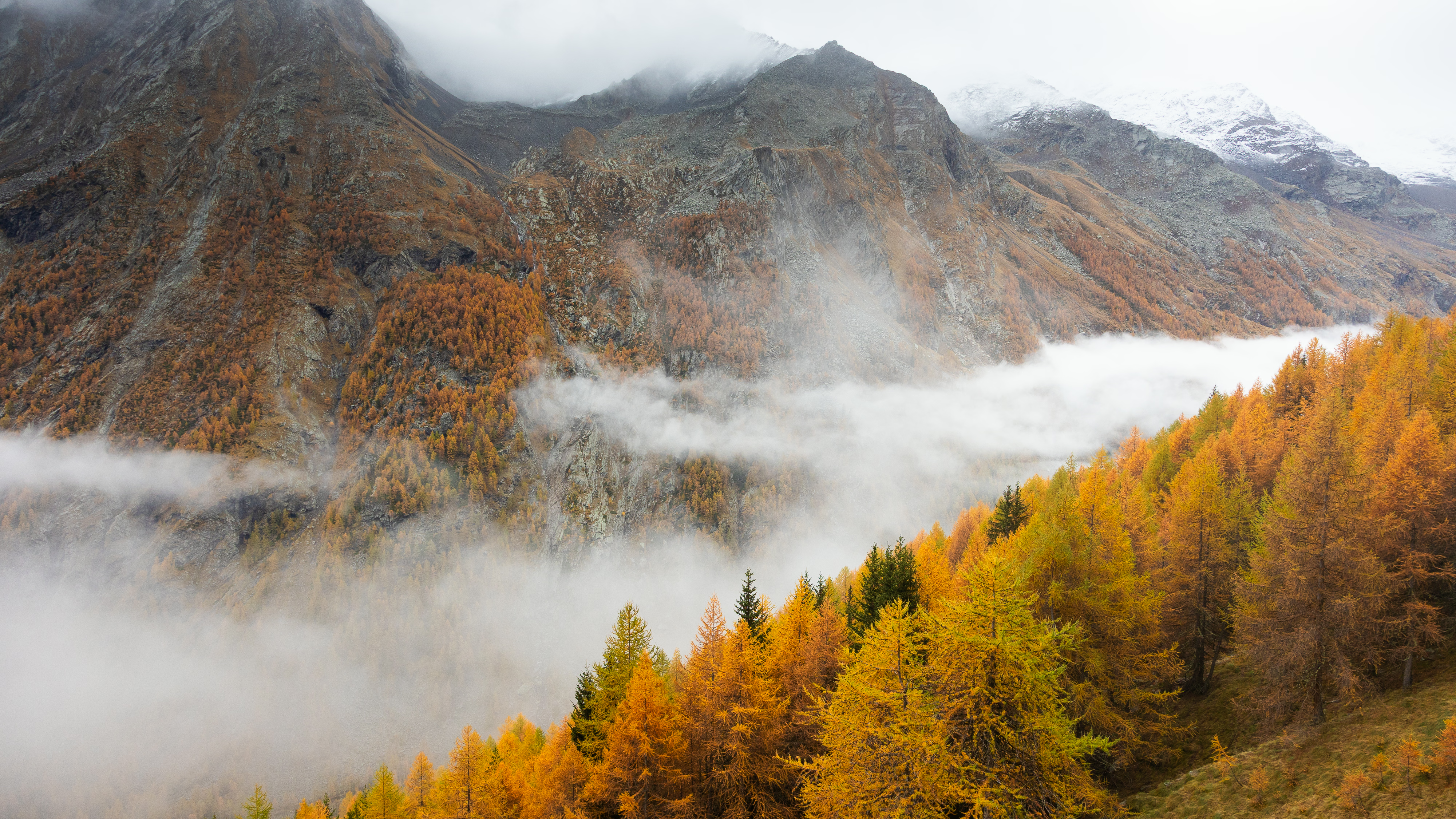
A ogni tornante riaffiorano i ricordi di tante estati trascorse qui.
Come quella mattina sul sentiero verso i piani di Levionaz, quando alcune sottili falci scure attraversavano fulminee il filo dell’erba: erano due maschi di fagiano di monte che cercavano una via di fuga.
O quella volta, poco prima delle Meyes, quando un gipeto comparve sopra di me e cominciò a veleggiare a una ventina di metri dalla mia testa, fendendo con le ali immobili un silenzio perfetto.
O ancora a Plan Borgno, quando, dopo tante ricerche, finalmente scorsi un ermellino nel candore dell’abito invernale, mentre appariva e scompariva fra le rocce con quella rapidità quasi nervosa che gli è propri.
In the first light of dawn, everything is extraordinarily hushed: even the birds seem to observe an unspoken rule of silence.
The idea of reaching a destination at all costs is quickly abandoned. My pace slows, and my eyes begin to search. It is a different way of walking, perhaps the only one that allows us to notice the small details that make up the very essence of these mountains.
With every bend in the trail, memories of so many summers spent here come flooding back.
Like that morning on the path towards the Levionaz meadows, when a pair of slender, dark crescents darted across the tops of the grass: two male black grouse, desperately seeking an escape route.
Or that time, just before reaching Les Meyes, when a bearded vulture appeared above me and began soaring barely twenty metres over my head, its motionless wings cutting through the perfect silence.
Or again, at Plan Borgno, when, after so much searching, I finally spotted a stoat in the pure white of its winter coat, appearing and disappearing among the rocks with that almost nervous quickness so characteristic of the species.
Qualche volta l’incontro permette anche di osservare piccoli frammenti della vita degli animali.
Lungo il sentiero che porta al Rifugio Chabod fui sorpreso dall’improvviso involo di un pulcino di fagiano di monte. Subito dopo ne partì un altro, poi un altro ancora. Uno alla volta, sei piccoli abbandonarono il loro nascondiglio. Solo alla fine si alzò la femmina, che era rimasta immobile fino a quando l’ultimo dei sui piccoli non si era messo in salvo.
Ai piani del Nivolet, invece, incontrai un ermellino tra le rocce. Alla mia vista scomparve immediatamente, ma dopo poco vidi spuntare nuovamente la testa. La curiosità sembrava avere avuto la meglio sulla prudenza. Mi bastò rimanere perfettamente immobile. Il resto lo fece lui: roccia dopo roccia si avvicinò fino a pochi metri, comparendo e scomparendo in continuazione, assecondando quella sorta di frenesia che sembra accompagnare ogni suo movimento.
I ricordi si avvicendano, diventano esperienza e, con il tempo, finiscono per dirigere lo sguardo.
Sometimes these encounters also offer a glimpse into the intimate details of the animals' lives.
Along the trail leading to the Chabod Refuge, I was startled by the sudden flight of a black grouse chick. Another followed immediately, then another. One by one, six chicks emerged from their hiding place. Only at the very end did the female take flight, having remained perfectly still until the last of her young had reached safety.
On the Nivolet plateau, meanwhile, I encountered a stoat among the rocks. At the sight of me, it immediately disappeared, but before long I saw its head emerge once again. Curiosity seemed to have overcome caution. All I had to do was remain perfectly motionless. The rest was up to him: moving from rock to rock, he approached to within a few metres, constantly appearing and disappearing, driven by that peculiar restlessness that seems to accompany his every movement.
Memories follow one another, gradually becoming experience and, over time, beginning to guide the eye.
Meanwhile, the trail continues to wind upwards, and beyond two thousand metres the trees begin to thin out.
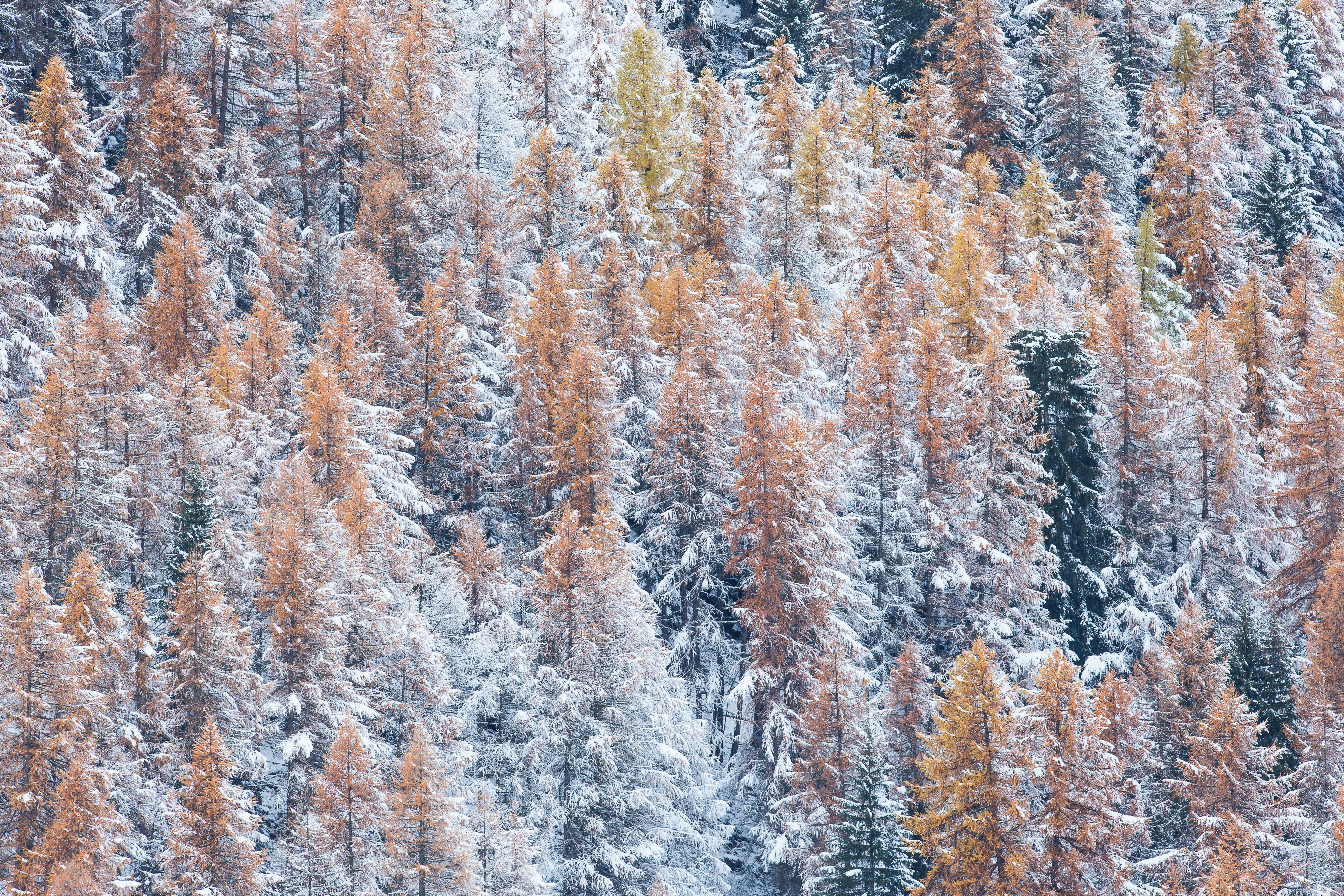
Intanto i tornanti si succedono e, superati i duemila metri, gli alberi cominciano a diradarsi. Il bosco cede lentamente il posto ai pascoli d’alta montagna e lo scenario cambia. Lo sguardo, finalmente libero, può spingersi lontano.
I primi a segnalare la nostra presenza sono quasi sempre i fischi delle marmotte. D’estate la loro attività è incessante: devono sfruttare i pochi mesi favorevoli per accumulare le riserve necessarie ad affrontare il lungo letargo. I giovani, però, sembrano trovare sempre il tempo per giocare e vicino alle tane si inseguono e si affrontano in continue lotte rituali. Basta tuttavia un segnale d’allarme perché ogni attività si interrompa. Su queste montagne l’ombra di un’aquila reale può comparire in qualsiasi momento.
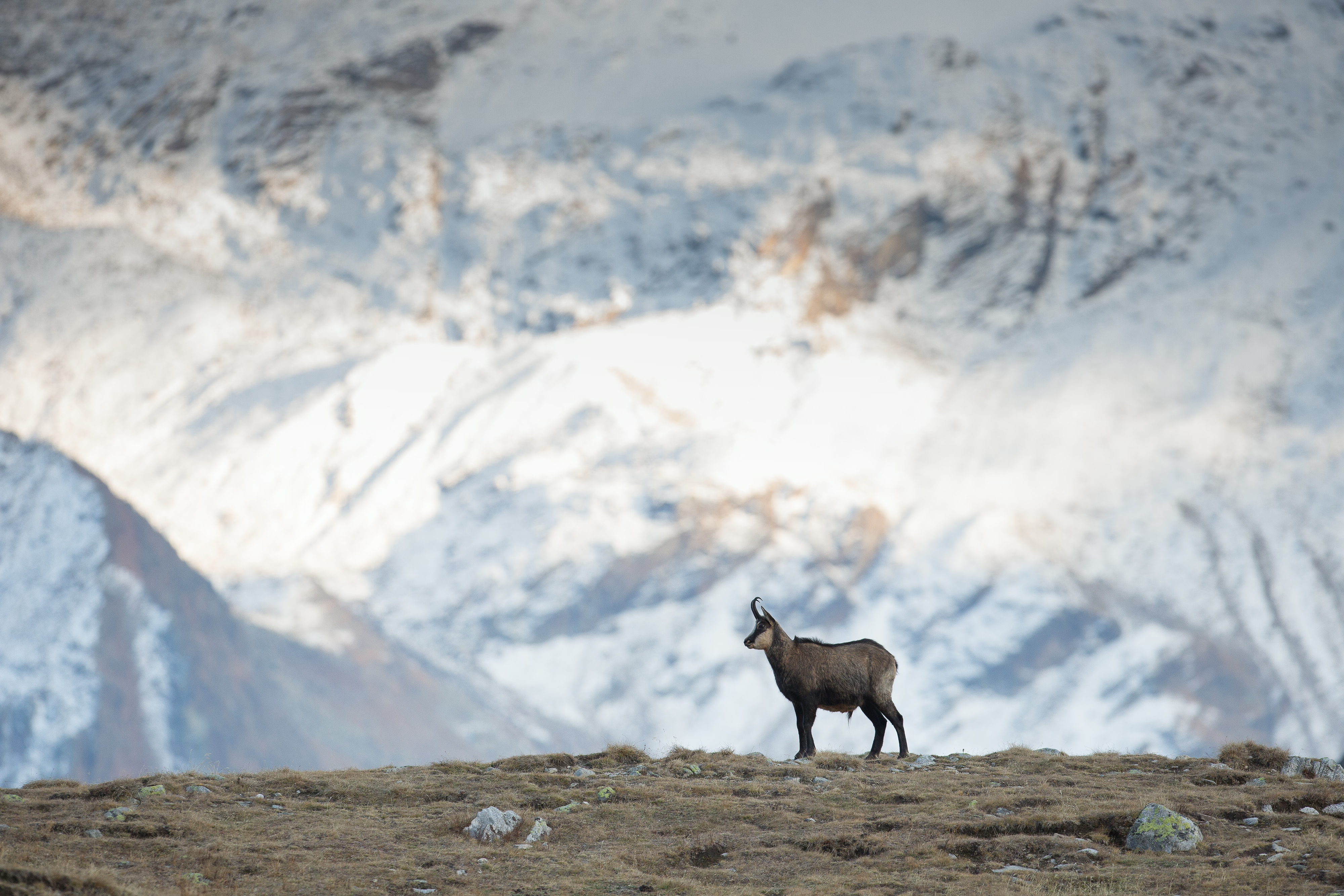
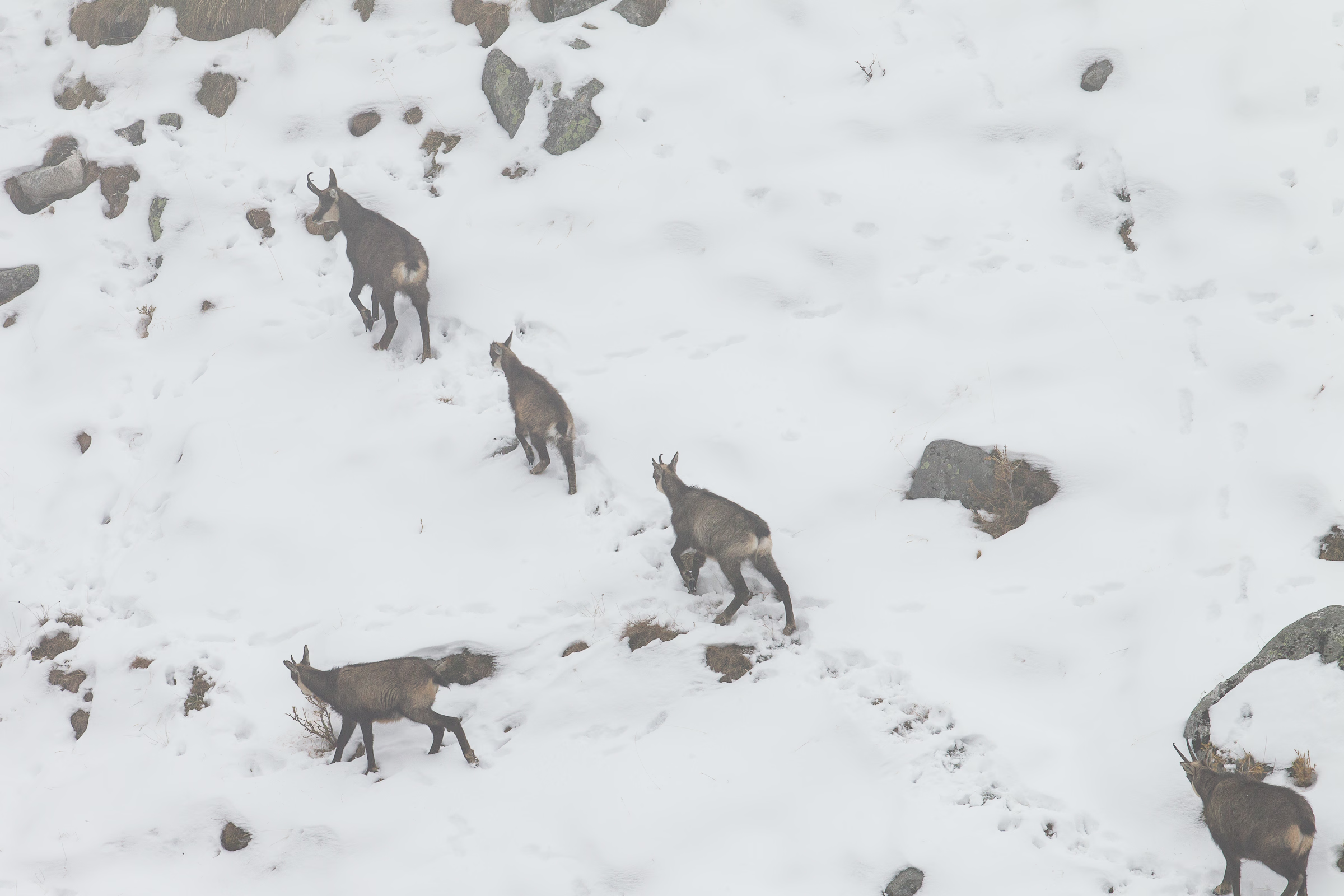
Sui pascoli è frequente anche l’incontro con il camoscio. In estate le femmine con i piccoli si riuniscono spesso in branchi sui pascoli più alti, mentre i maschi conducono una vita maggiormente solitaria.
The forest slowly gives way to alpine pastures, and the landscape changes. At last, the eye is free to wander into the distance.
The first to announce our presence are almost always the marmots, with their sharp whistles. During summer, their activity is relentless: they must make the most of the few favourable months to build up the reserves needed to survive their long hibernation. The youngsters, however, always seem to find time to play, chasing one another around their burrows and engaging in endless mock fights. Yet a single alarm call is enough to bring every activity to an abrupt halt. In these mountains, the shadow of a golden eagle can appear at any moment.
Chamois are also a familiar sight on the alpine pastures. In summer, females and their young often gather in herds on the higher grazing grounds, while males lead a more solitary existence. As autumn approaches, however, everything changes: the mating season begins, and encounters between males turn into furious chases across slopes that, seen from a distance, would appear impossible to negotiate.
Con l’avvicinarsi dell’autunno tutto cambia: comincia la stagione degli amori e gli incontri fra i maschi diventano inseguimenti furiosi lungo pendii che, osservati da lontano, sembrerebbero impraticabili.
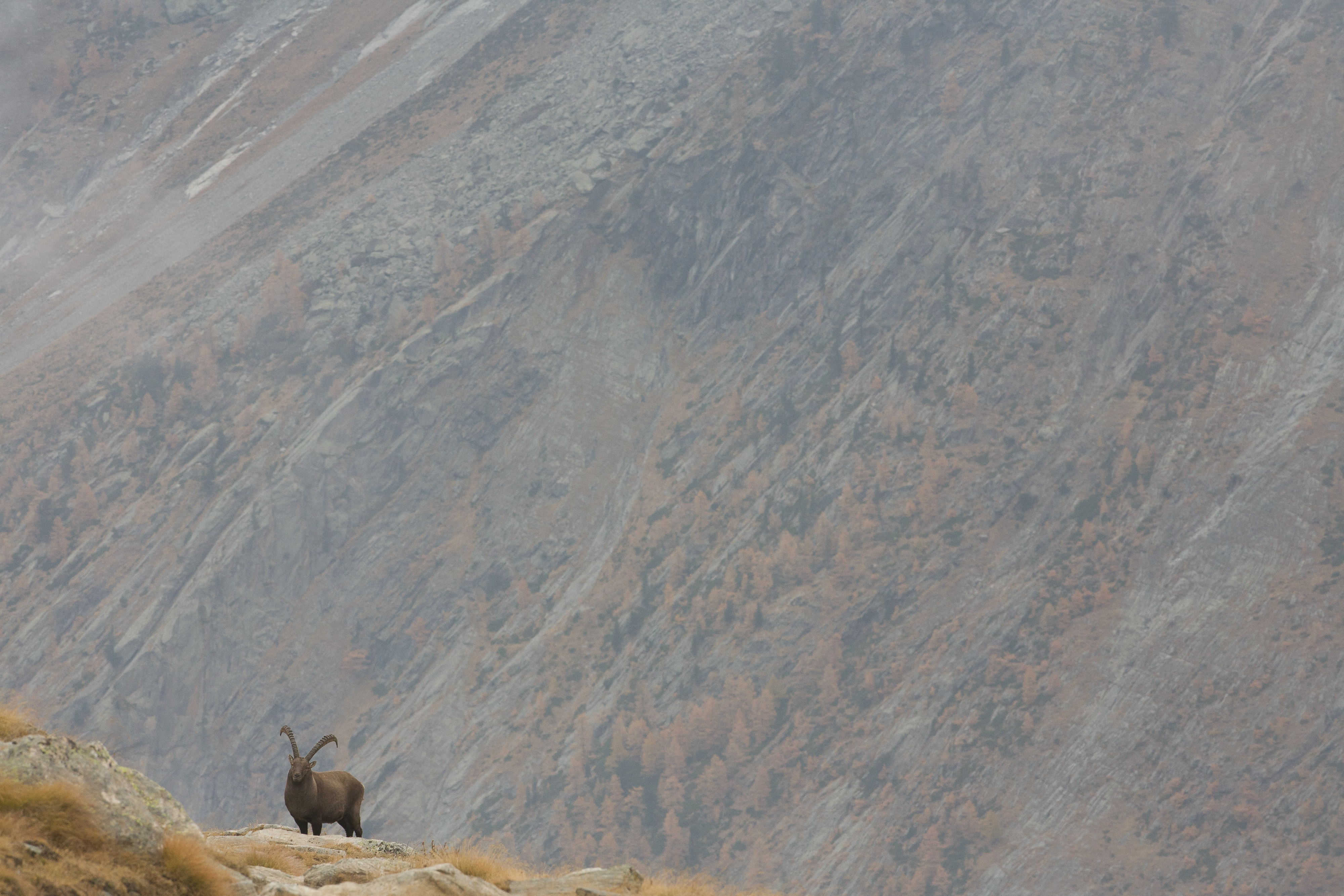
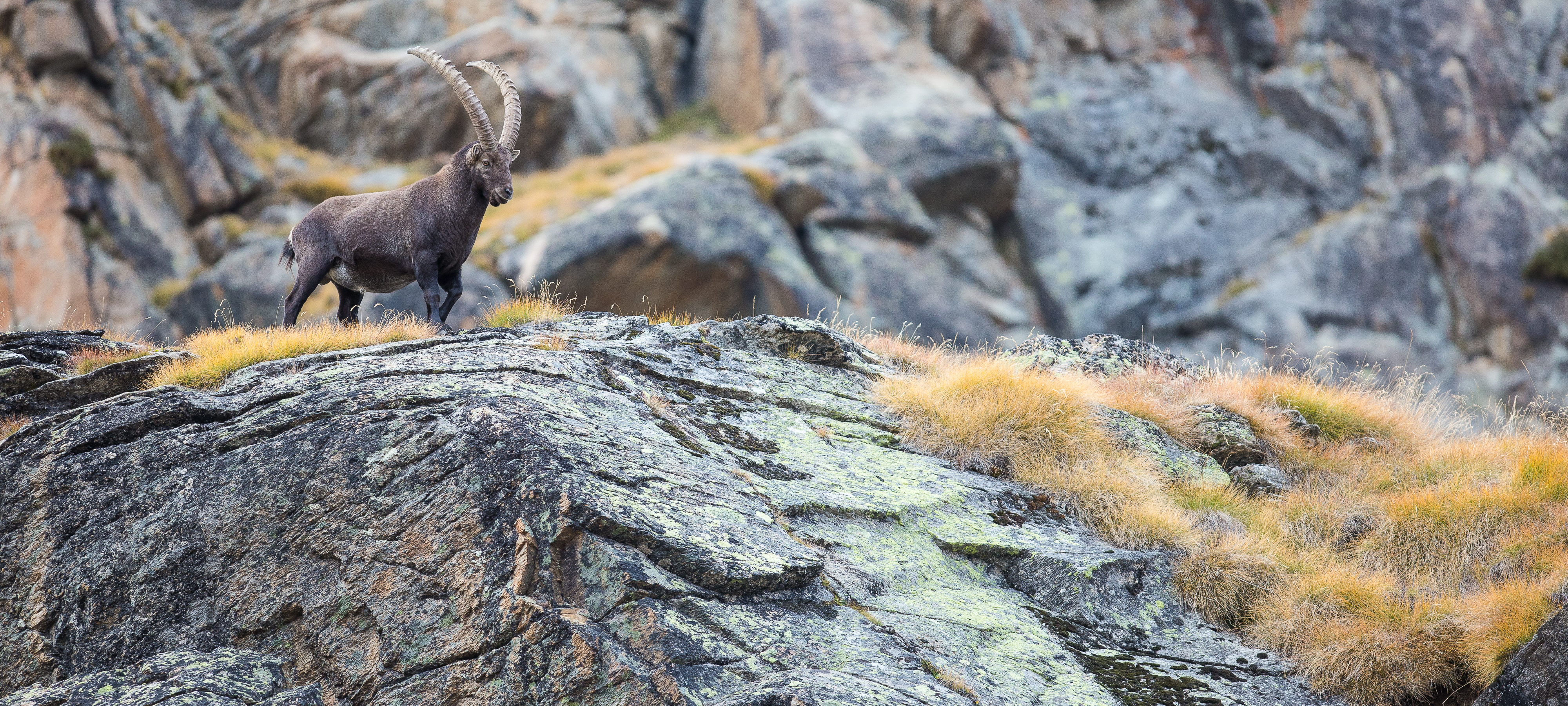
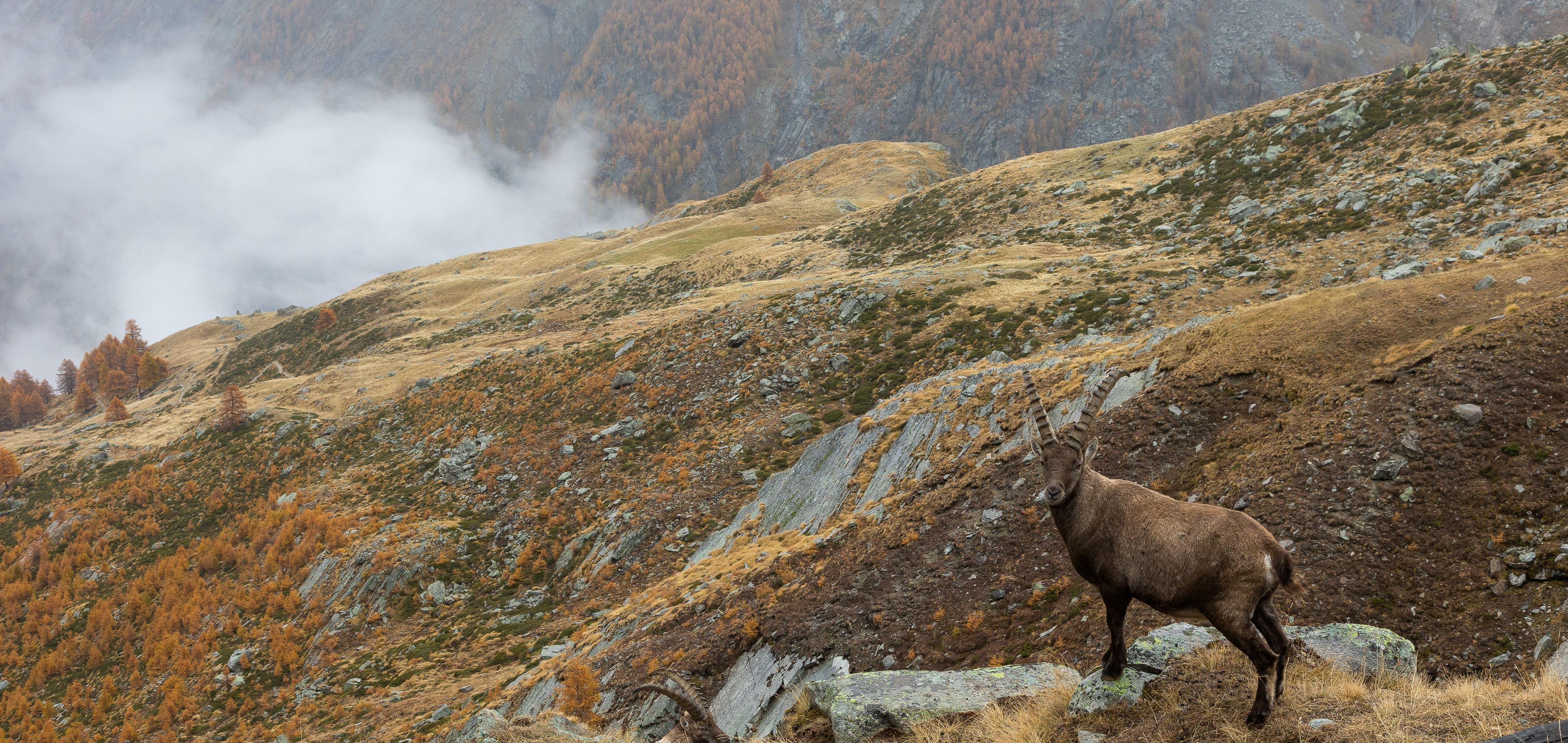
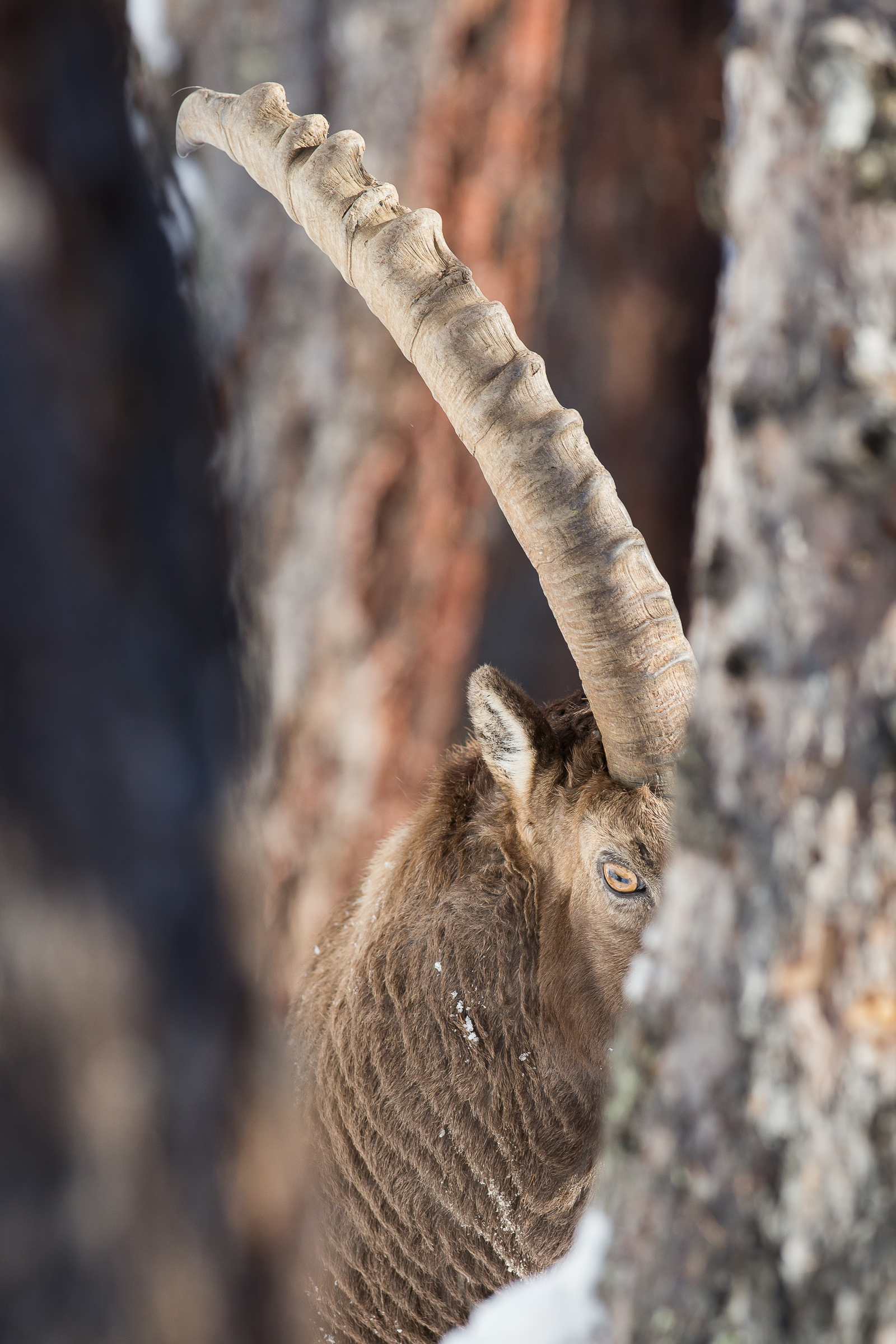
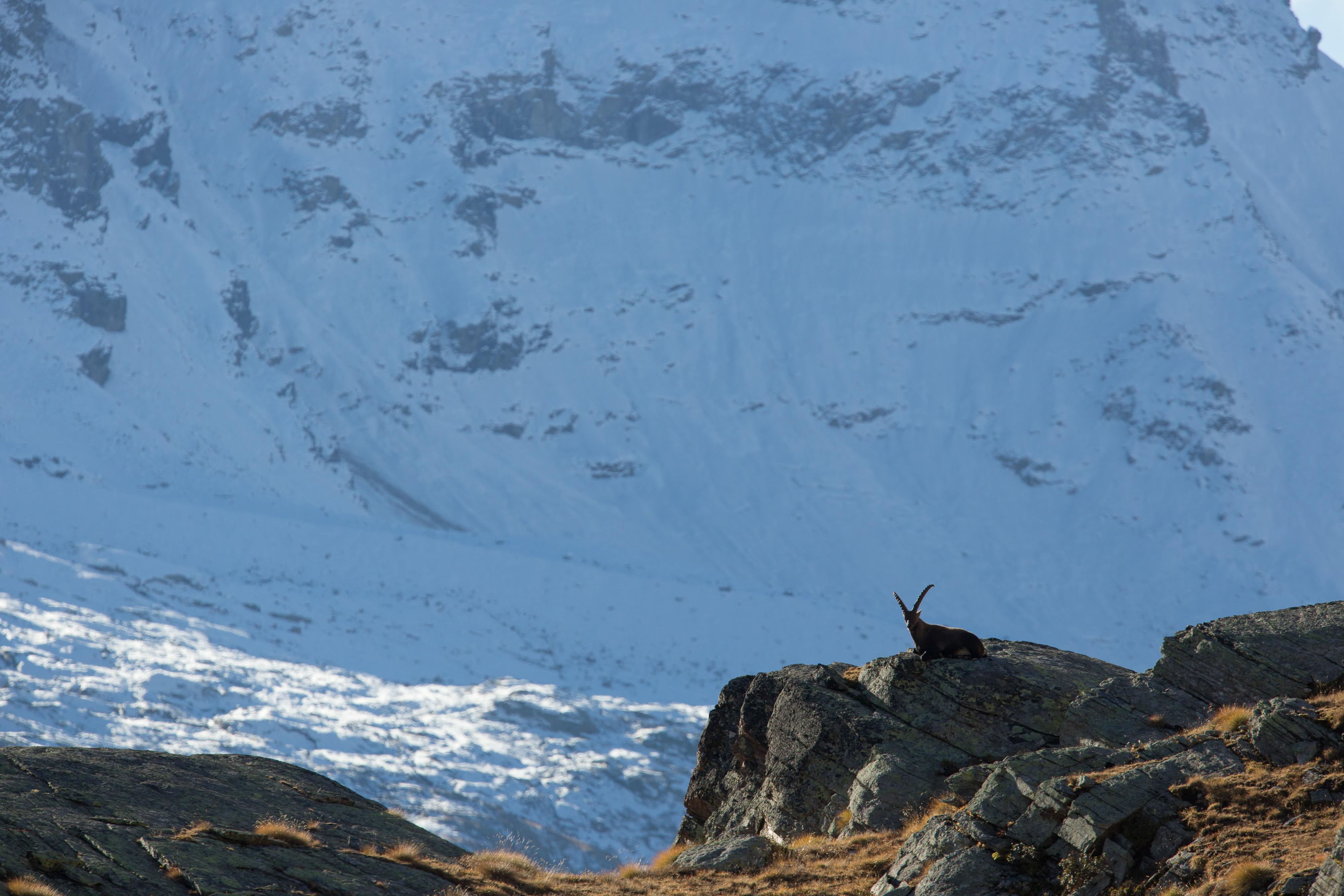
Più in alto ancora è il regno dello stambecco.
Durante l’estate può spingersi ben oltre i tremila metri e la sua presenza sembra appartenere naturalmente alle pietraie, alle pareti e ai grandi spazi aperti dell’alta montagna. Con l’inverno scende più frequentemente verso quote inferiori e in primavera può arrivare fino al fondovalle, alla ricerca della prima erba liberata dalla neve.
Lo stambecco non è soltanto uno degli abitanti del Gran Paradiso: ne è il simbolo e, in qualche modo, ne racconta la storia.
All’inizio dell’Ottocento la specie era arrivata sull’orlo dell’estinzione. L’istituzione della Riserva Reale di Caccia, nel XIX secolo, e successivamente quella del Parco Nazionale, nel 1922, contribuirono in maniera decisiva alla sua sopravvivenza. È uno dei paradossi della storia di queste montagne: una riserva nata per consentire la caccia reale finì per preservare un vastissimo territorio, creando sentieri e strutture di sorveglianza e limitando altre forme di prelievo.
Higher still lies the realm of the Alpine ibex.
During summer, it may venture well above three thousand metres, its presence seeming an inseparable part of the scree slopes, rock faces and vast open spaces of the high mountains. In winter, it more frequently descends to lower elevations, and in spring it may reach the valley floor in search of the first grass emerging from beneath the snow.
The ibex is not merely one of Gran Paradiso's inhabitants: it is the park's symbol and, in a sense, tells its story.
At the beginning of the nineteenth century, the species had been driven to the brink of extinction. The establishment of the Royal Hunting Reserve during that century, followed by the creation of the National Park in 1922, played a decisive role in its survival. It is one of the paradoxes of the history of these mountains: a reserve originally established for royal hunting ultimately helped preserve an immense territory, creating trails and a network of gamekeepers' posts while restricting other forms of hunting and exploitation.
Ma forse una delle cose che più affascinano del Gran Paradiso è il modo in cui qui si percepisce lo scorrere del tempo.
In montagna le stagioni non sono semplicemente date sul calendario. Si vedono, si ascoltano e soprattutto si riconoscono nel comportamento degli animali.
L’autunno accompagna le marmotte verso il letargo e porta sui pendii le corse dei camosci impegnati nella stagione degli amori. Poi arriva dicembre e tocca agli stambecchi: nel silenzio delle montagne innevate può risuonare improvvisamente il colpo secco delle grandi corna dei maschi che si affrontano.
L’inverno riduce tutto all’essenziale. La neve copre i pascoli, il cibo diventa scarso e gli animali cercano i pendii più ripidi e assolati, dove il vento e il sole lasciano scoperti piccoli lembi d’erba. È la stagione più dura, quella nella quale la montagna esercita la sua selezione senza concessioni.
Poi qualcosa cambia.
La neve comincia a ritirarsi, l’acqua torna a scorrere e sui prati compaiono le prime chiazze verdi.
But perhaps one of the most fascinating aspects of Gran Paradiso is the way the passage of time is perceived here.
In the mountains, the seasons are not simply dates on a calendar. They can be seen, heard and, above all, recognised in the behaviour of the animals.
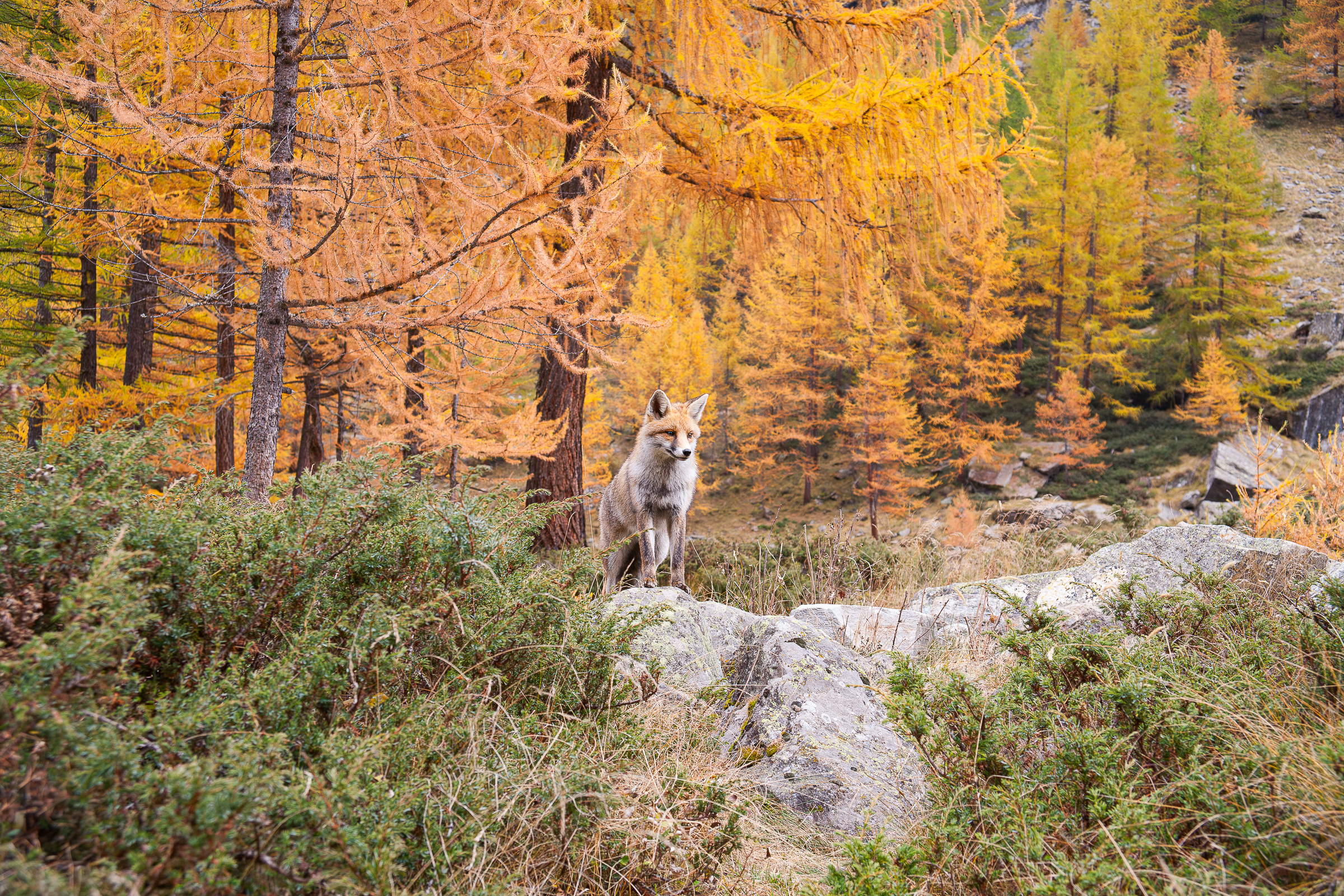
Autumn sends the marmots into hibernation and brings the spectacular chases of rutting chamois to the mountain slopes. Then December arrives, and it is the ibexes' turn: in the silence of the snow-covered mountains, the sharp crack of great horns colliding may suddenly echo through the valleys as the males confront one another.
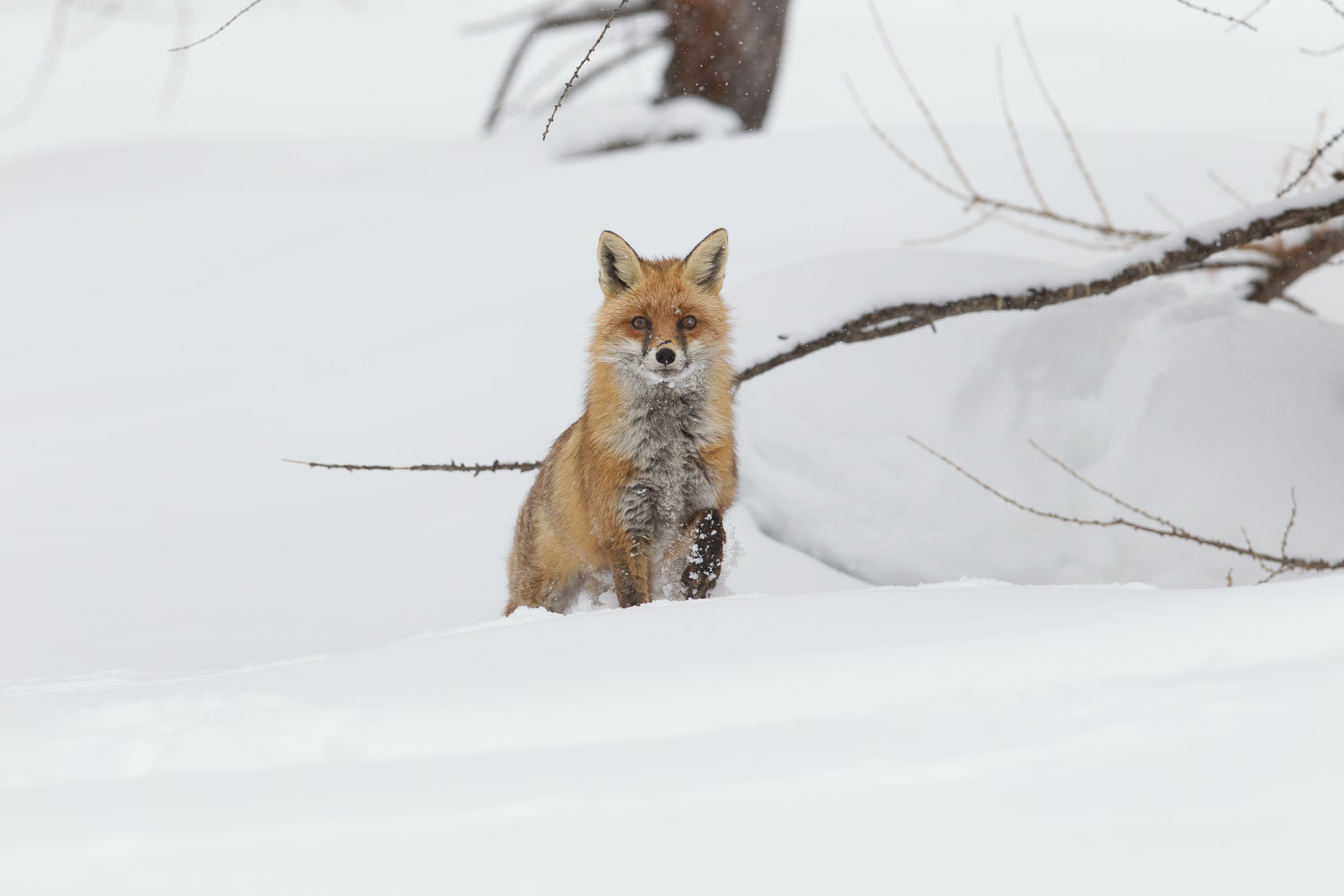
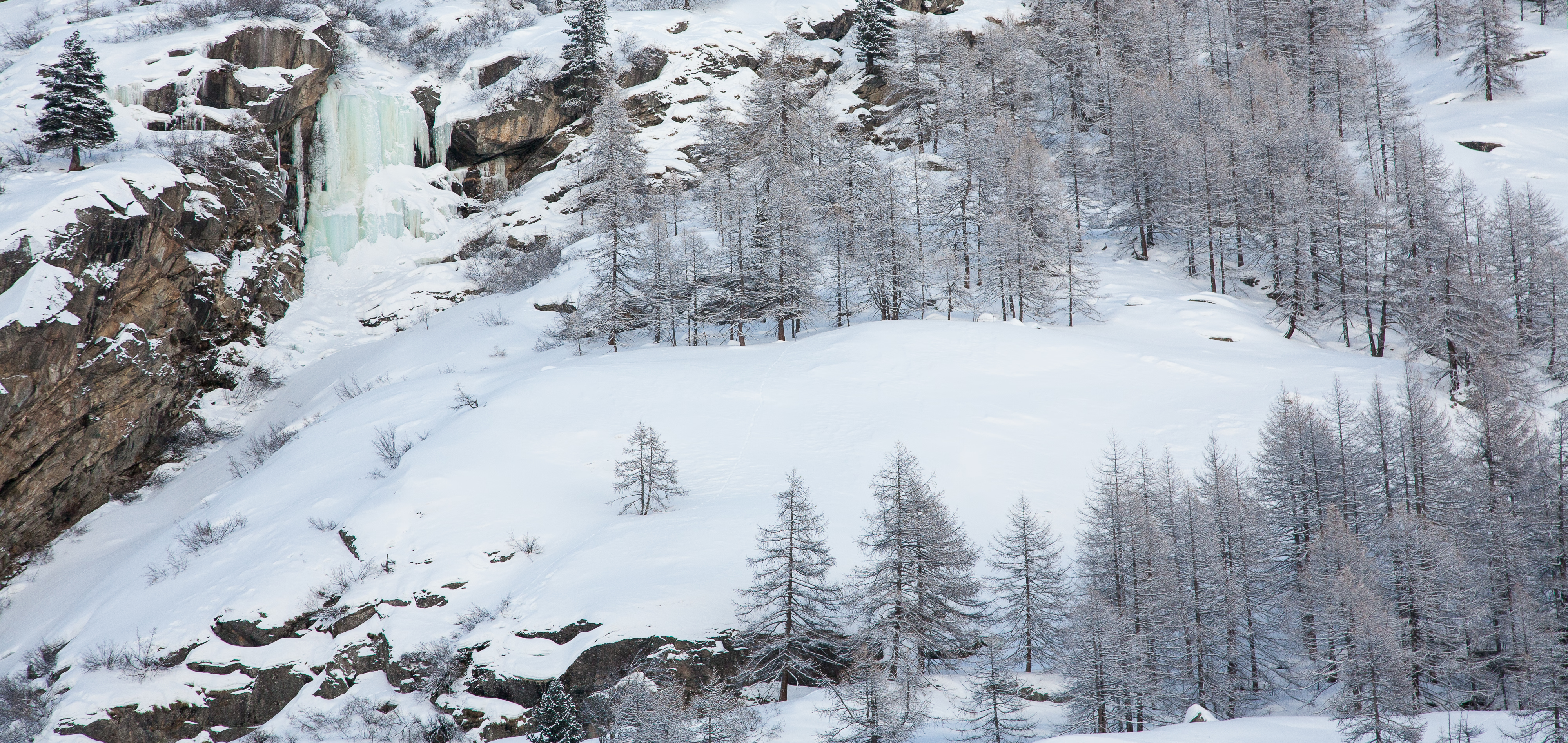
Winter strips everything down to its essentials. Snow blankets the pastures, food becomes scarce, and animals seek out the steepest, sunniest slopes, where wind and sunlight expose small patches of grass. It is the harshest season, when the mountains impose their natural selection without mercy.
Then something begins to change.
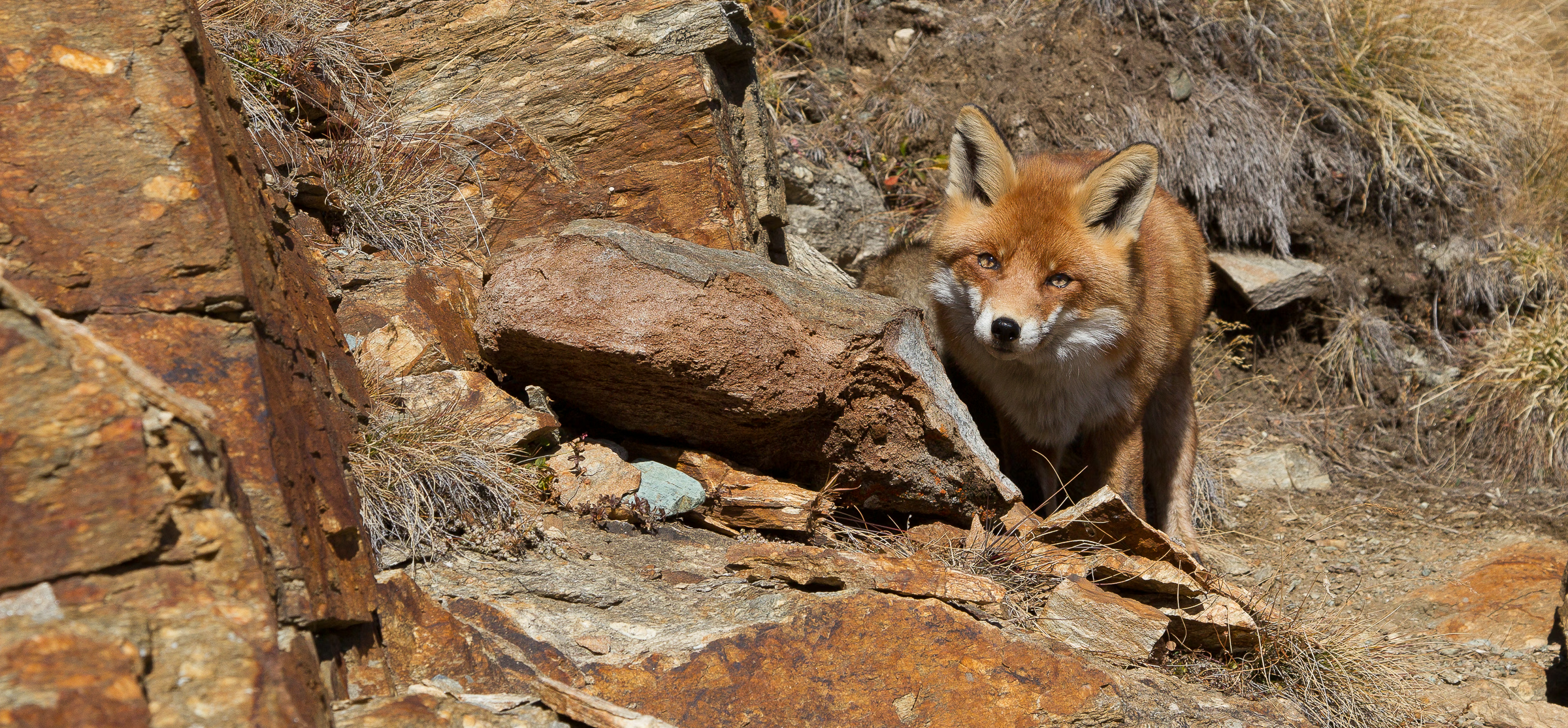
The snow starts to retreat, water flows once more, and the first patches of green appear across the meadows. Marmots emerge from their burrows, while chamois and ibex descend in search of fresh grass.

Le marmotte emergono nuovamente dalle tane e camosci e stambecchi scendono alla ricerca dell’erba fresca. Dopo i lunghi mesi invernali, la montagna sembra attraversata da una nuova energia.
Infine arriva l’estate. È il tempo dei giovani che seguono le madri sui pascoli e delle giornate trascorse ad alimentarsi. Ma è anche, inevitabilmente, l’inizio della preparazione al nuovo inverno.
E tutto ricomincia.
Forse è proprio questo continuo ripetersi a rendere queste montagne ogni volta diverse.
Sono più di vent’anni che percorro questi sentieri e conosco ormai molti dei loro tornanti, dei boschi, delle pietraie e dei valloni. Eppure, quando al mattino metto lo zaino sulle spalle e comincio a camminare nella luce ancora incerta, la sensazione è sempre quella della prima volta.
Le stagioni cambiano i colori, la luce trasforma le montagne e gli animali entrano ed escono dalla scena seguendo ritmi antichi.
È un grande teatro naturale nel quale, a ogni cambio d’atto, mutano le scenografie e i protagonisti.
A noi resta soltanto il privilegio di esserci.
After the long winter months, the mountains seem to pulse with renewed energy.
Finally, summer arrives. It is the season of youngsters following their mothers across the pastures and of long days spent feeding. But it is also, inevitably, the beginning of preparations for the next winter.
And the cycle begins again.
Perhaps it is precisely this endless repetition that makes these mountains seem different every time.
I have been walking these trails for more than twenty years, and by now I know many of their bends, their forests, their scree slopes and their valleys. And yet, whenever I shoulder my backpack in the morning and set off in the uncertain light of dawn, the feeling is always the same as it was the very first time.
The seasons change the colours, the light transforms the mountains, and the animals enter and leave the scene, following rhythms as old as time.
It is a magnificent natural theatre in which, with every change of act, both the scenery and the protagonists are transformed.
All that remains for us is the privilege of being there.